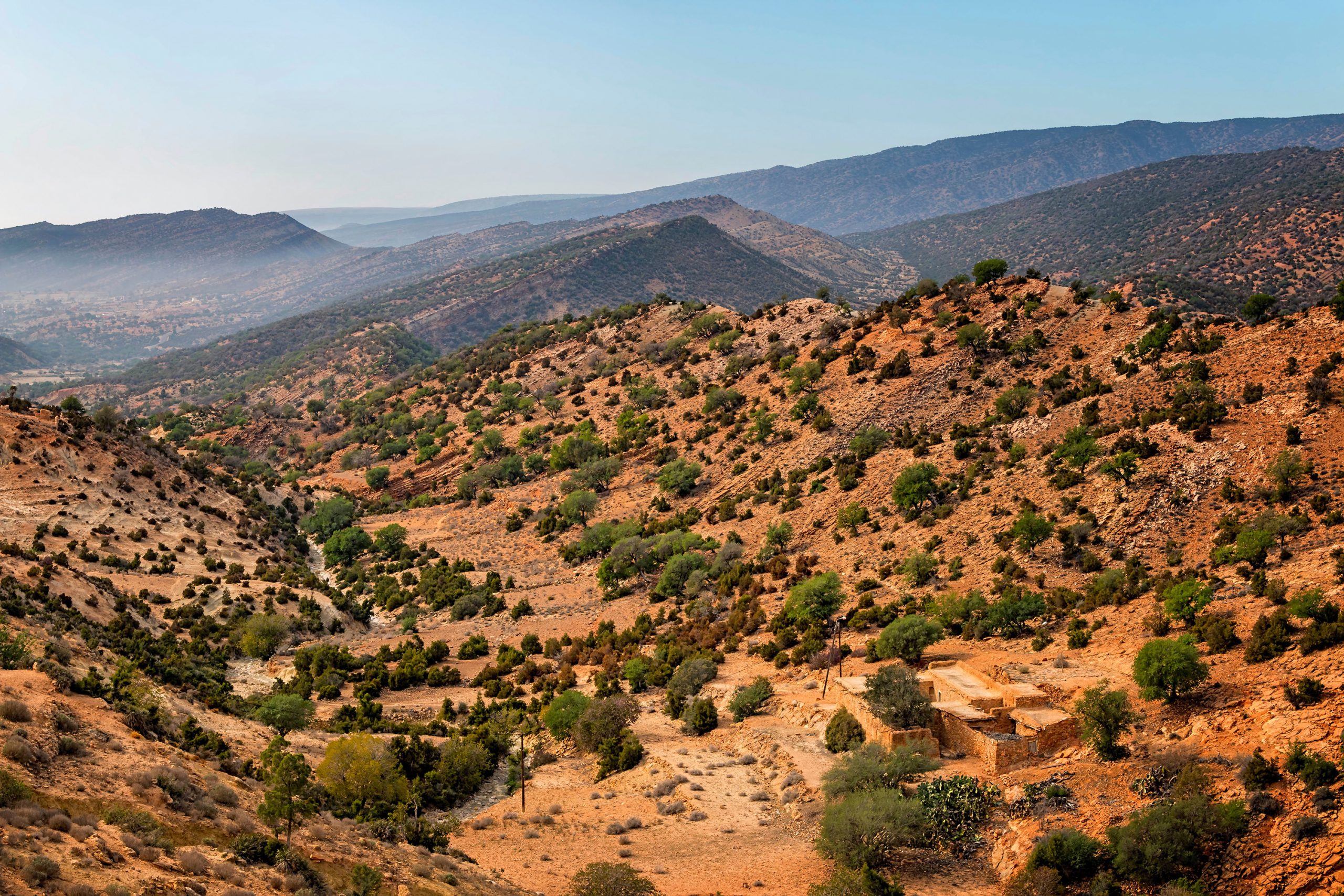
The agricultural sector is one of the essential pillars of the Guelmim-Oued Noun region, with an arable area exceeding 191,000 hectares, 45% of which is devoted to growing cereals, taking advantage of the floods of local rivers. The region is distinguished by its vast pasture areas, extending over approximately 3.5 million hectares, which favors livestock breeding, with a herd of more than 350,000 heads of sheep and goats, as well as 45,000 camels.

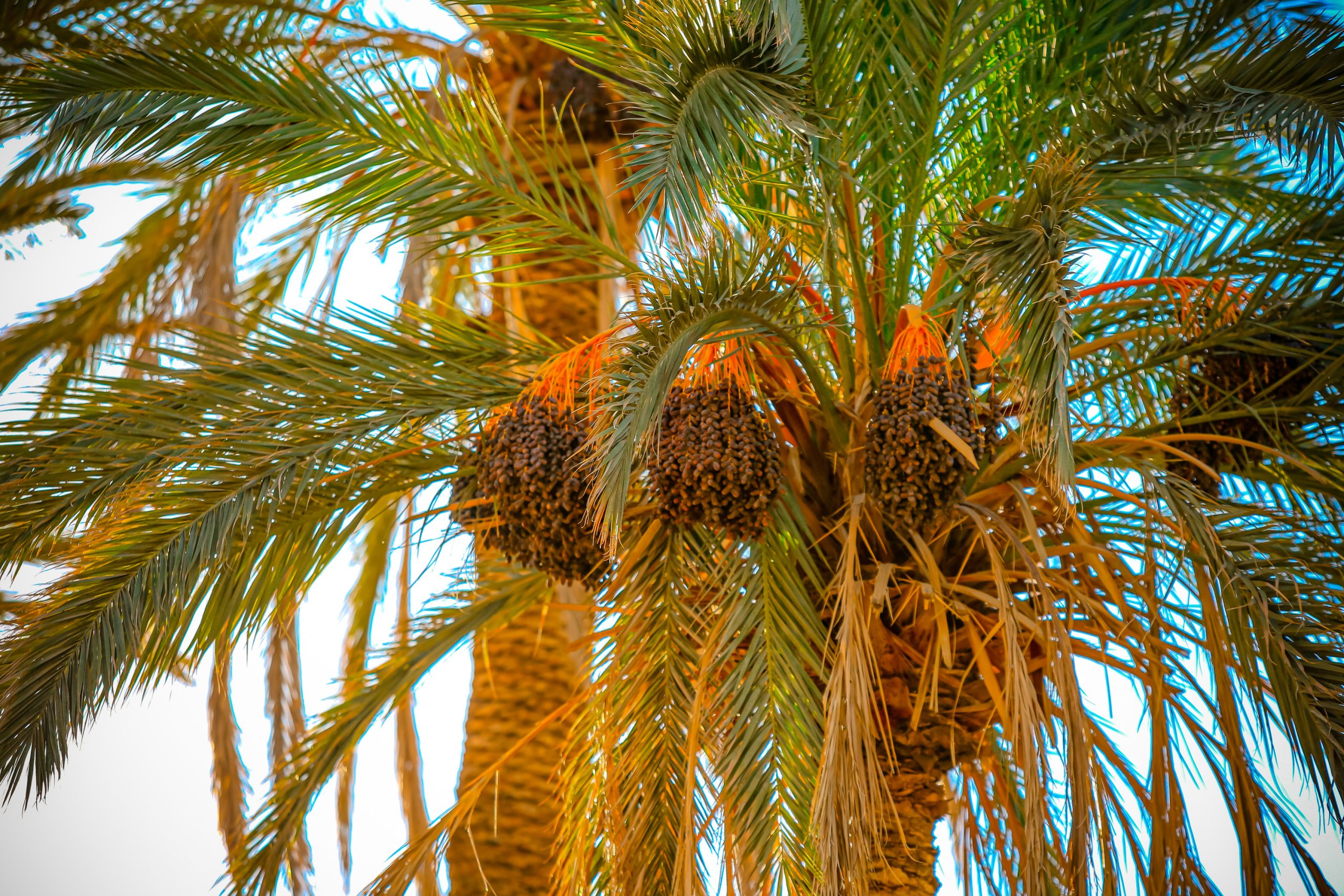
Guelmim-Oued Noun is also home to date palm and olive tree oases covering an area of ​​2,500 hectares, as well as argan forests covering 127,000 hectares. This creates employment opportunities, particularly for women, in the valorization of argan products. Cactus is also a key crop in the region; although it has been affected by the cochineal, efforts are underway to replant 26,000 hectares with resistant varieties, thus ensuring the sustainability of this crop.

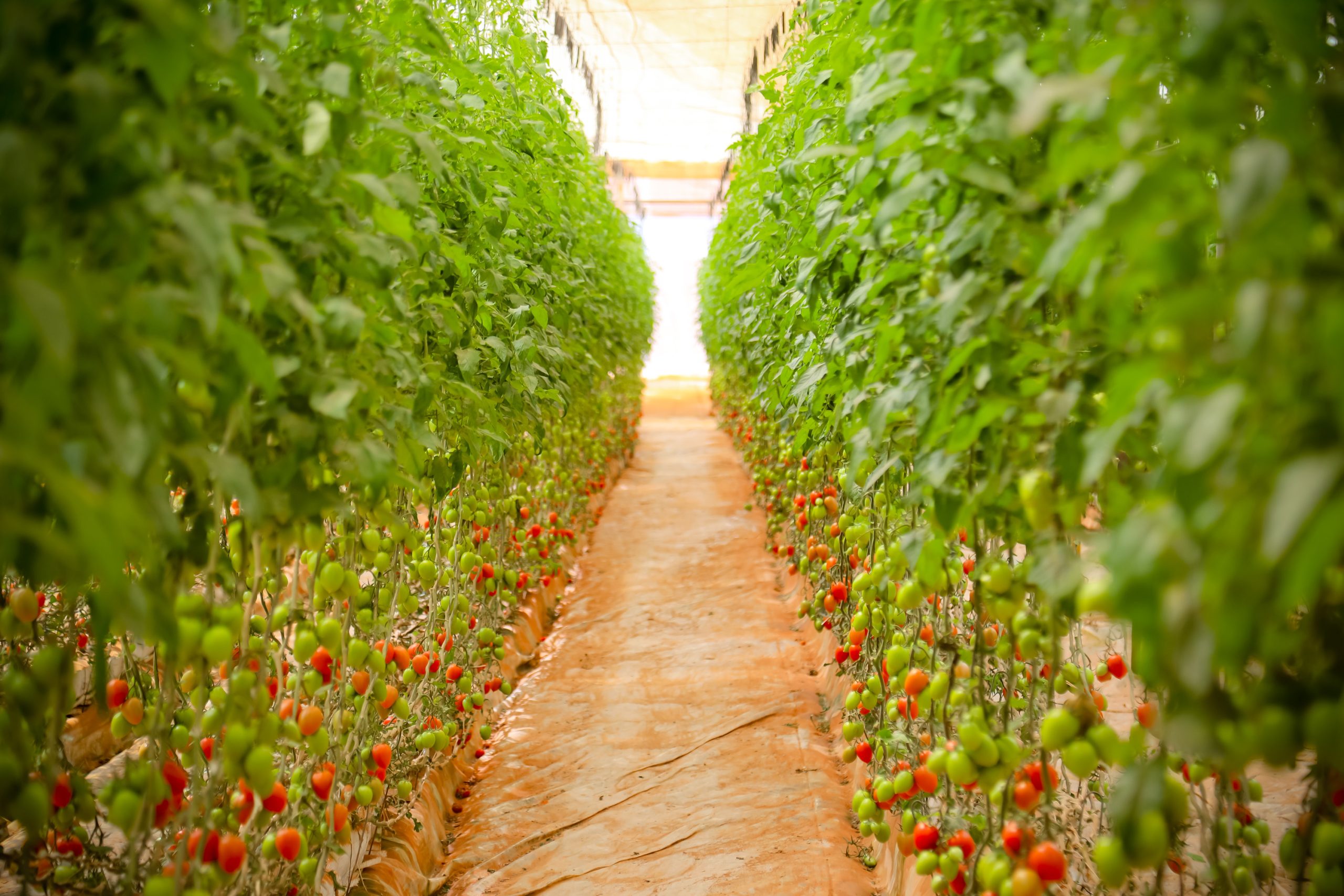
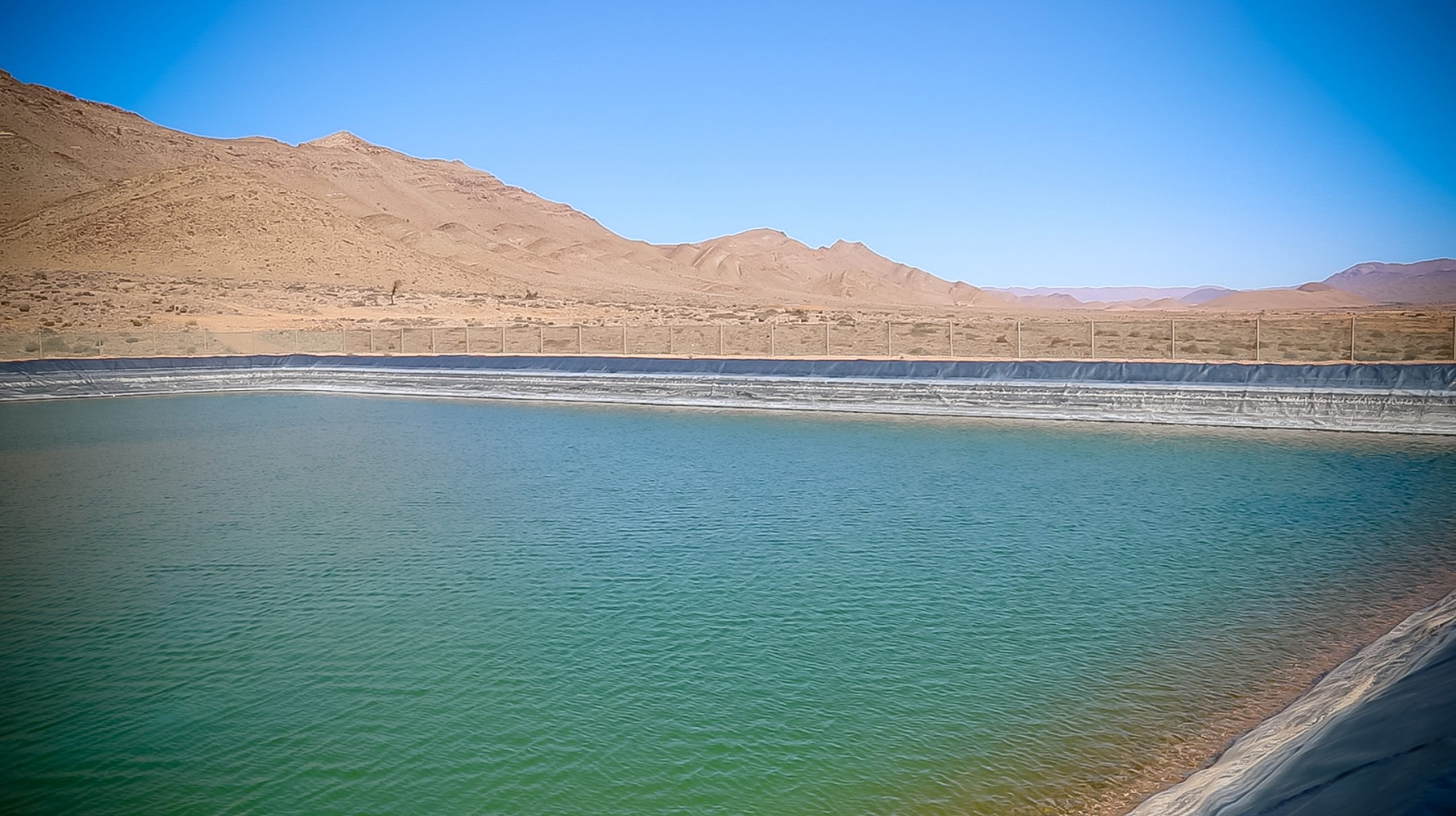
Thanks to the Green Morocco Plan, the region has seen notable development in the agricultural sector, with 5,300 hectares equipped with drip irrigation systems, thus promoting the production of vegetables and fruits.

In addition, private investments in the agricultural sector between 2008 and 2022 exceeded 642 million dirhams, highlighting the attractiveness and promising potential of the region.
Oasis of date palms and olive trees
Argan trees
Area equipped with drip irrigation
Irrigated area
Arable area
0
Hectare
0
Hectare
0
Hectare
0
Hectare
0
Hectare

Agricultural sector assets

  • A climate favorable to high value-added crops
  • Two water basins to support agricultural activities
  • Production of various crops such as olive, almond, vine, citrus, date palm, sugar beet and organic crops
  • A significant animal production of red meat, dairy products, poultry farming and beekeeping.
  • A developed agricultural service including the mechanization of agricultural work, manual work, forestry and oasis activities, pasture maintenance, as well as the grazing service.

The main production sectors in the region

Cereals

Cereal cultivation is a traditional practice in the region. It is mainly based on seasonal flooding of the wadis, which allow the irrigation of large areas of flood-prone land. The main cereals grown are: barley, soft wheat, durum wheat, and corn.

Date palms

The area dedicated to date cultivation in the region exceeds 2,300 hectares, with an estimated annual production of 2,380 tons of various varieties adapted to the regional climate. The main oases are located in the provinces of Guelmim and Assa-Zag. Among the varieties of dates cultivated in the region are Boufeggous, Bousskri, Mejhoul, Jihel, Najda, and Khalt.

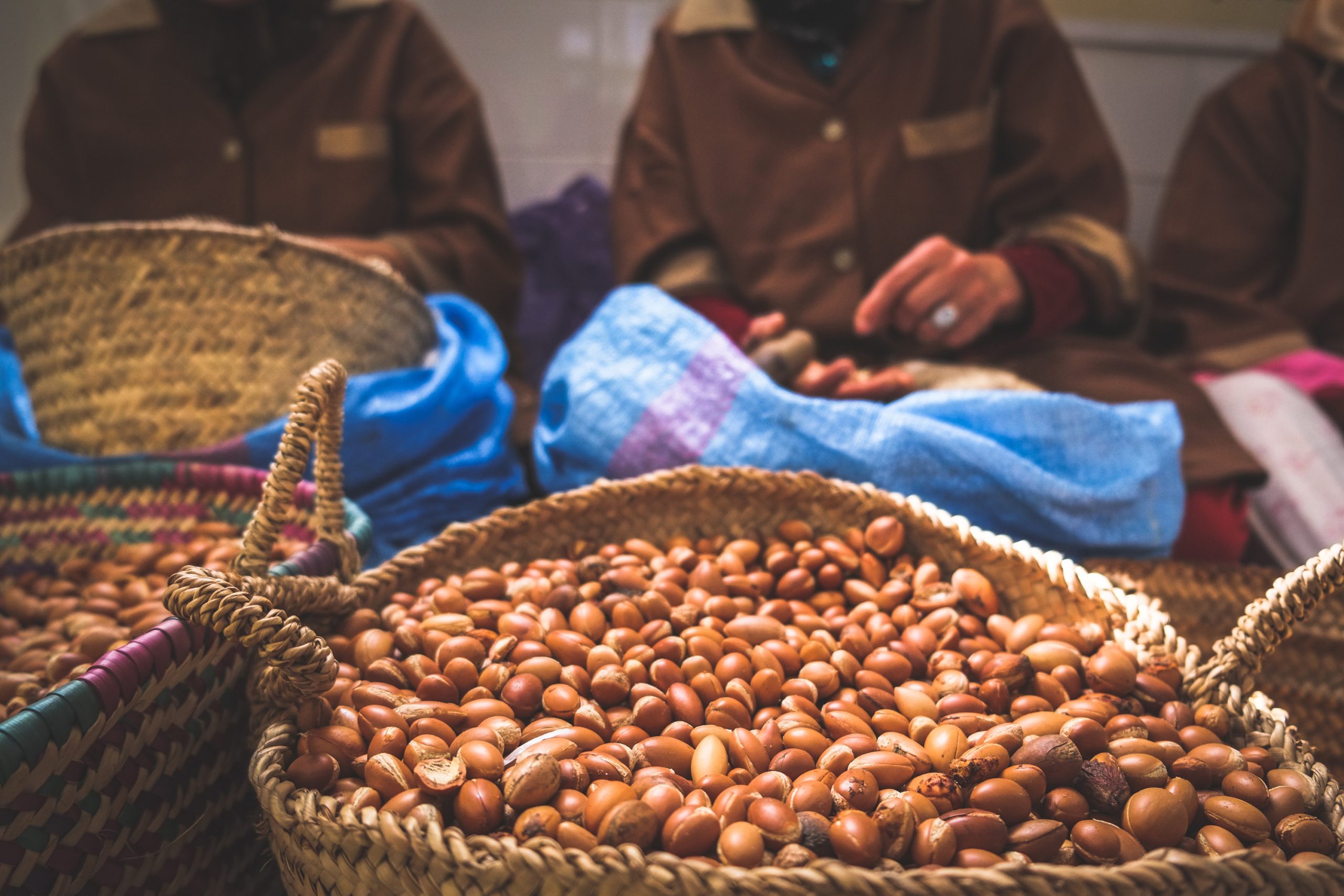
Argan

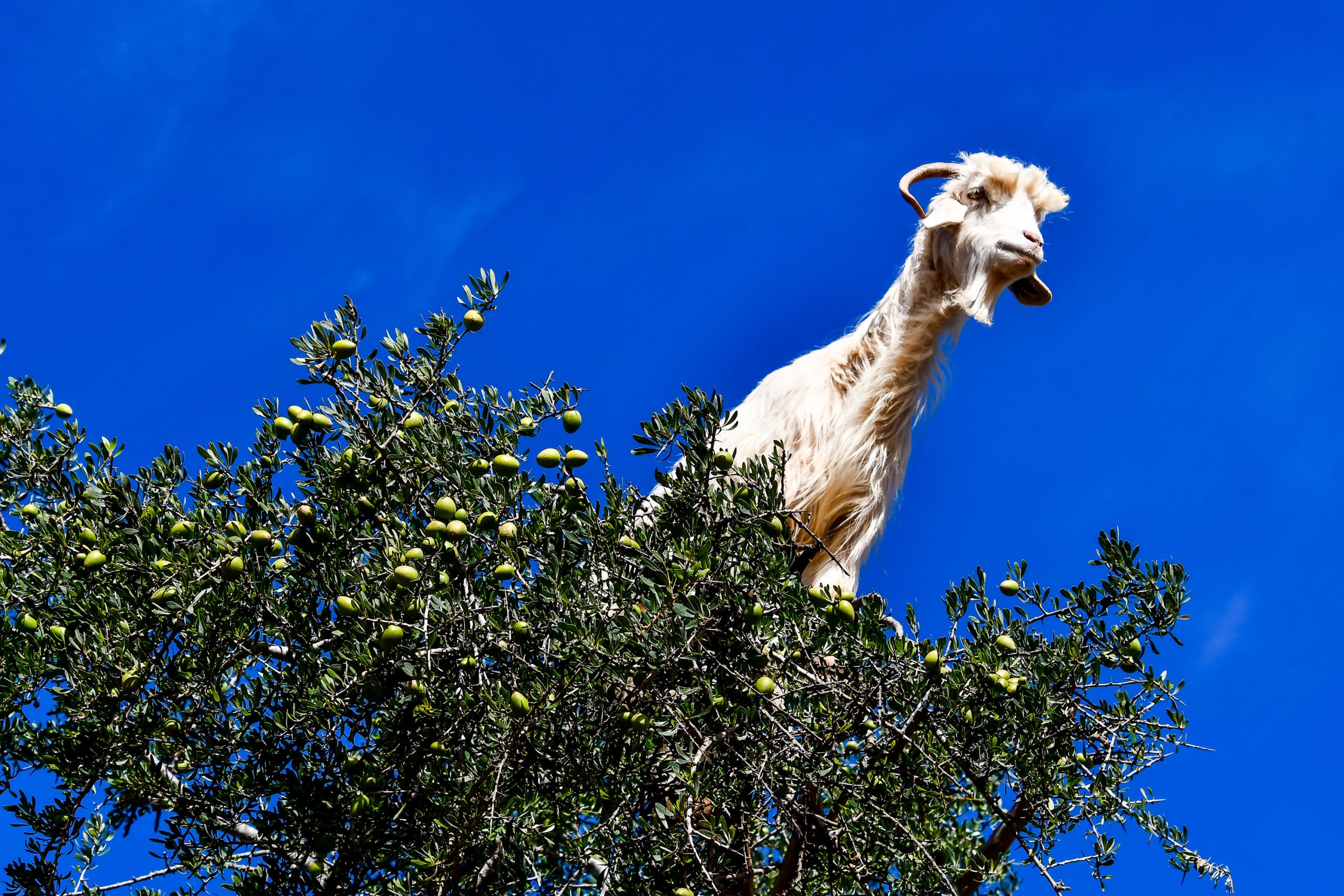
The argan tree plays a key role in preserving biodiversity while providing economic and social opportunities to rural populations. The argan forest covers more than 127,000 hectares, with an annual production of approximately 649 tons of argan oil.

Cactus

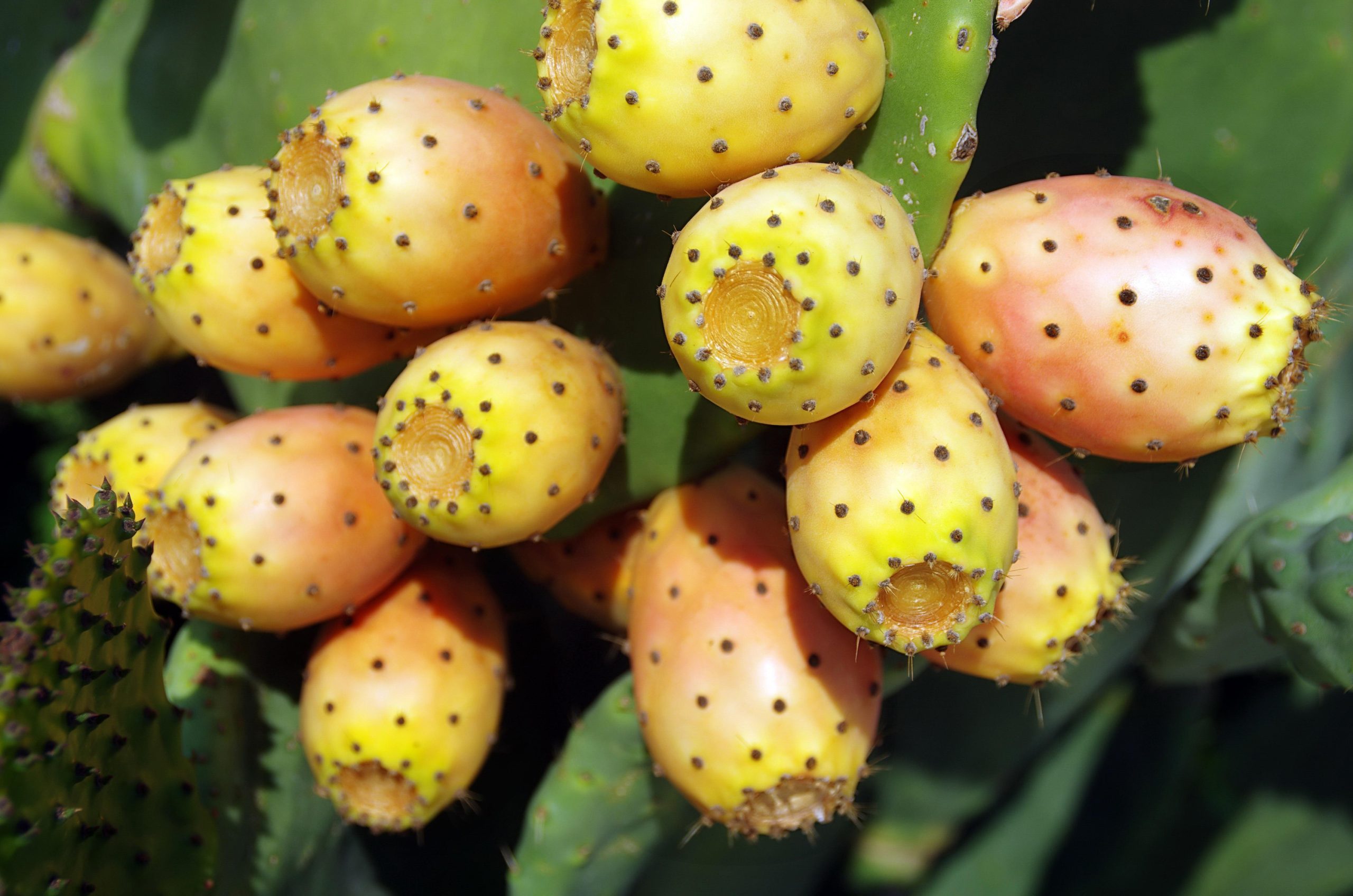
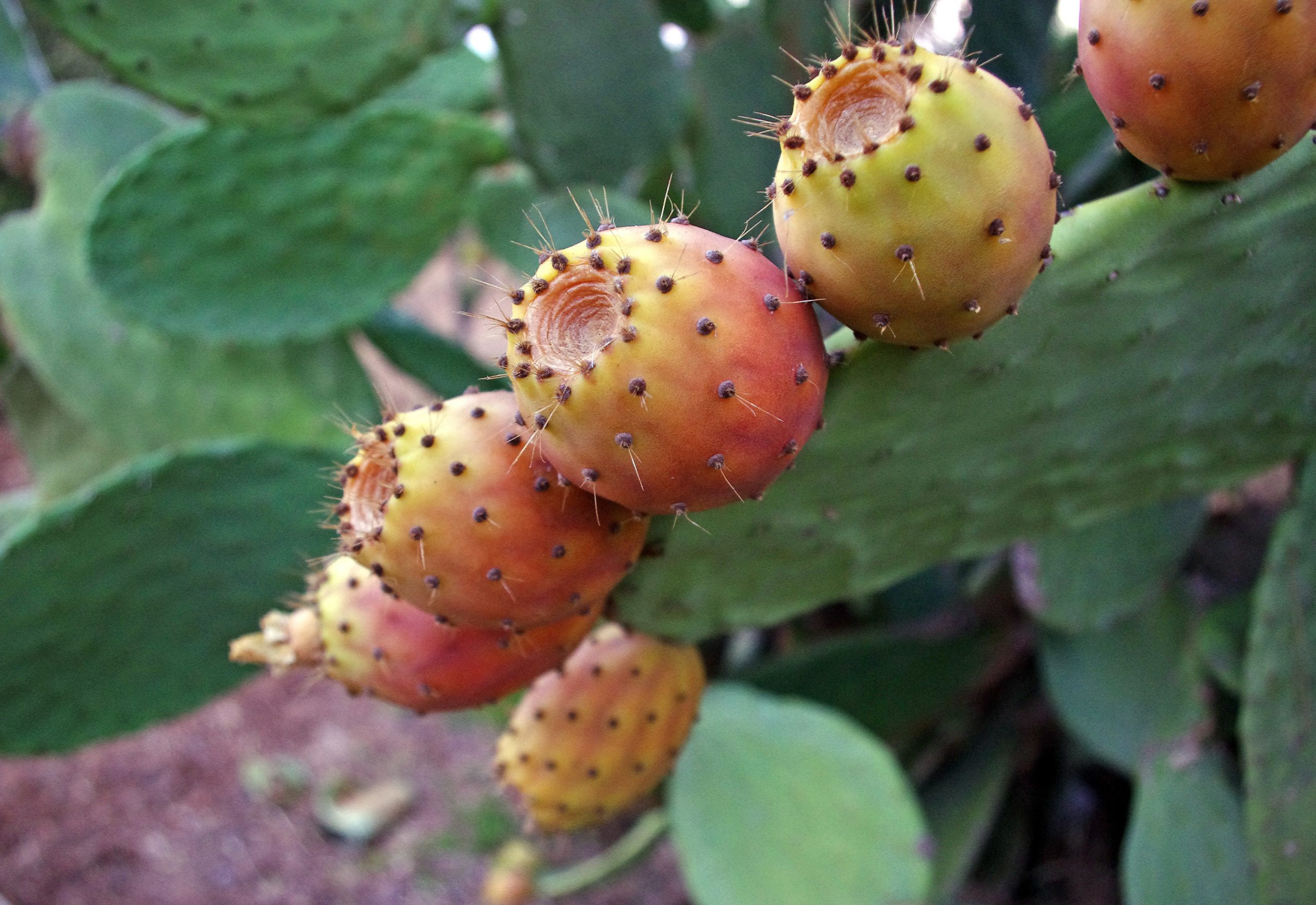
The cactus is an ancestral plant widely distributed in the region, particularly in the provinces of Guelmim, Sidi Ifni, Assa-Zag, and Tan-Tan. A program to replant cactus resistant to cochineal has been implemented over an area of ​​26,000 hectares. The cactus harvest period extends from June to December, which generates economic activity in the areas where it is cultivated.

Olivier

Olive cultivation extends mainly to the north of the region, in the provinces of Guelmim and Sidi Ifni, over an area of ​​approximately 2,570 hectares, with an annual production of more than 2,620 tons. The majority of olive groves are located in the communes of Abaynou, Tagant, Bouizakarne, Ifrane Atlas Saghir, and Timoulay in Guelmim, as well as in Boutroch and Ibdar in the province of Sidi Ifni.

Vegetables and fruits

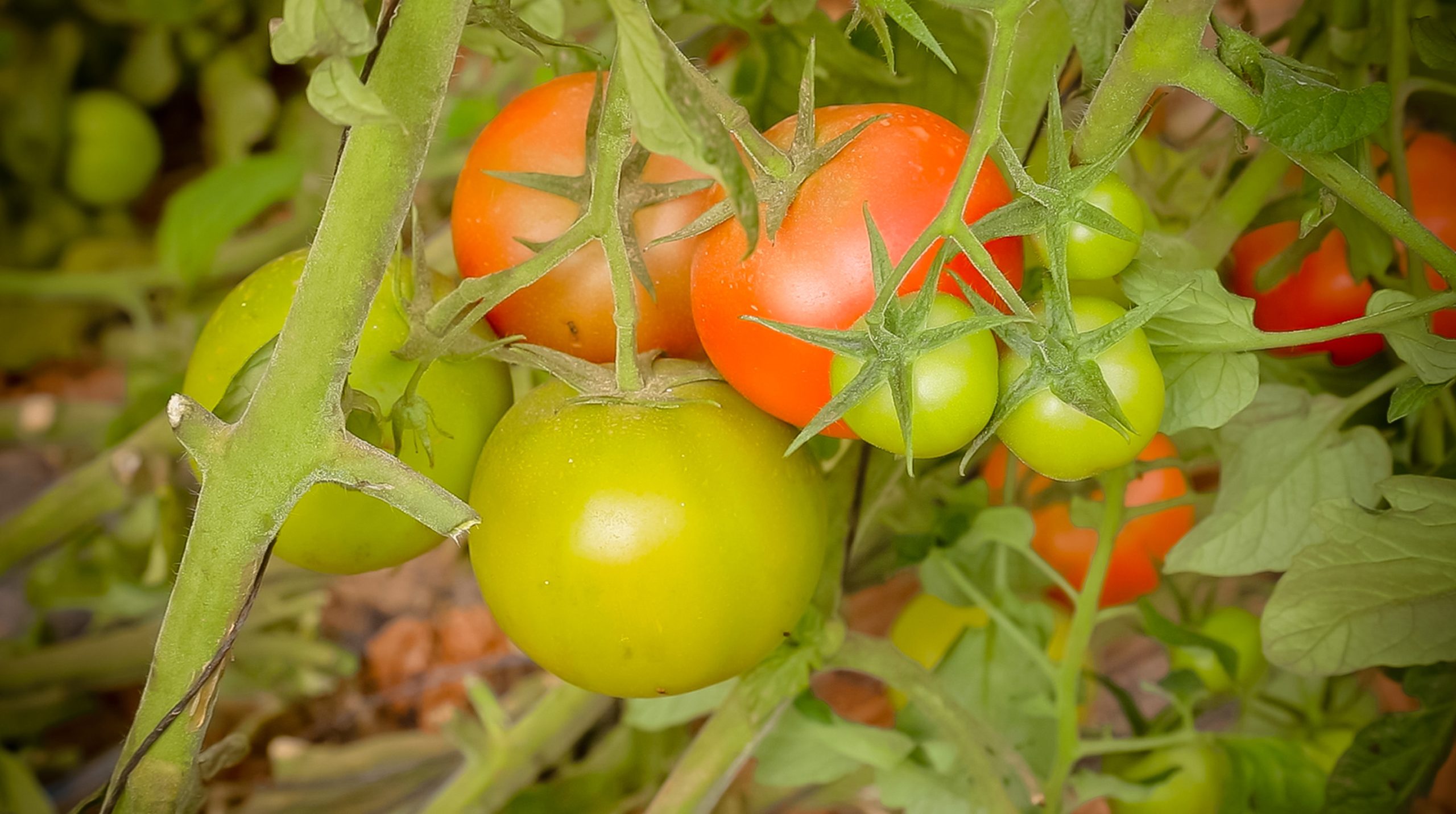
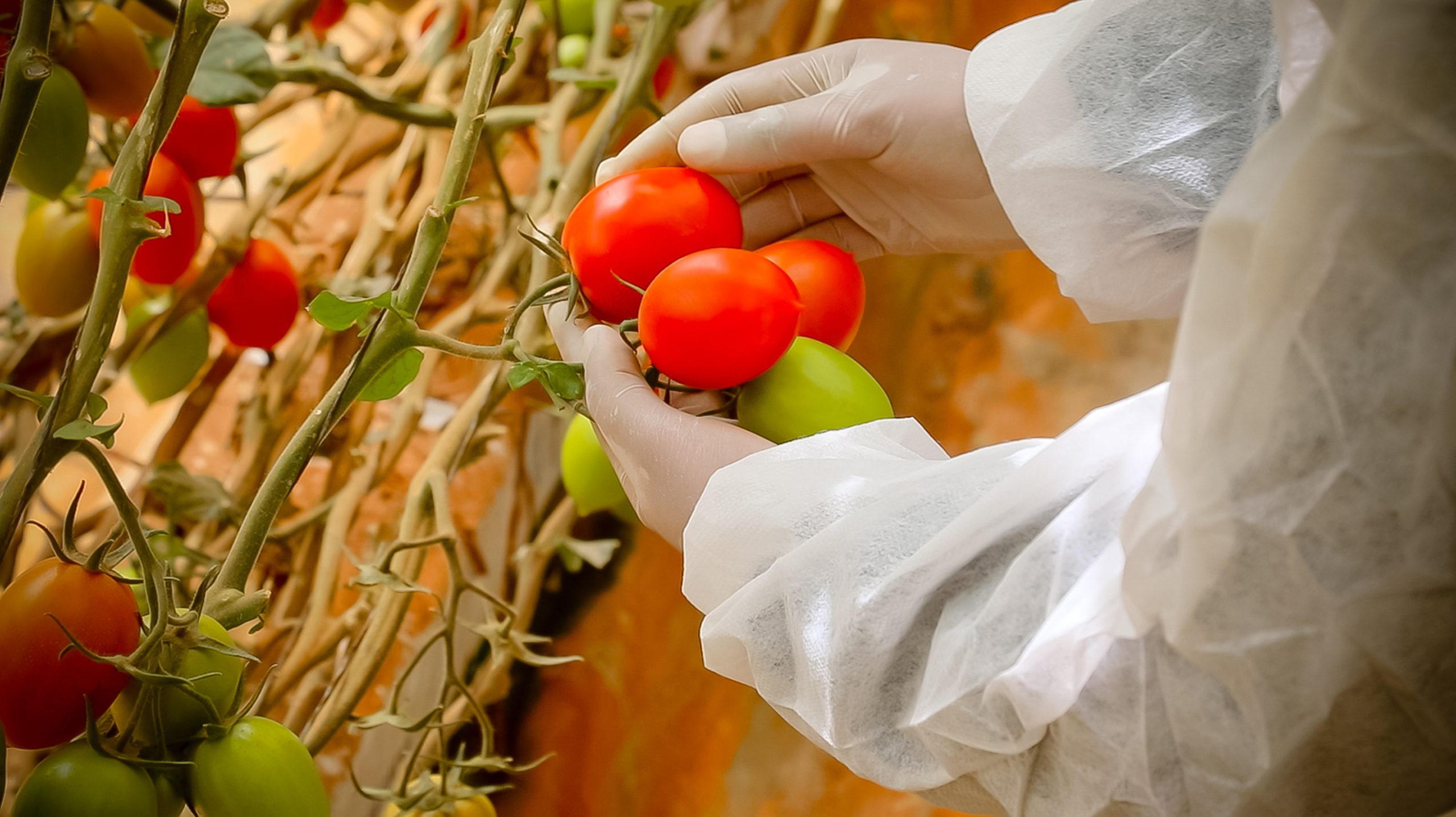
In recent years, the region has seen the creation of many modern farms covering more than 3,000 hectares, equipped with drip irrigation systems, allowing the production of a variety of vegetables and fruits. Annual production reaches approximately 119,000 tons, mainly concentrated in the province of Guelmim. Part of this production is intended for the local market, while high-value products, such as cherry tomatoes and watermelons, are exported.

Medicinal and aromatic plants

The plants have long been used by local populations for medicinal purposes and for making perfumes. Desert areas continue to benefit from these plants, in particular thanks to the skills passed down through the generations, especially among Saharan women. Among the most common plants are acacia (talh), which covers 91% of the regional forests, with approximately 470,000 hectares, as well as henna (251 hectares), thyme, wormwood (shiha) and akkaya.

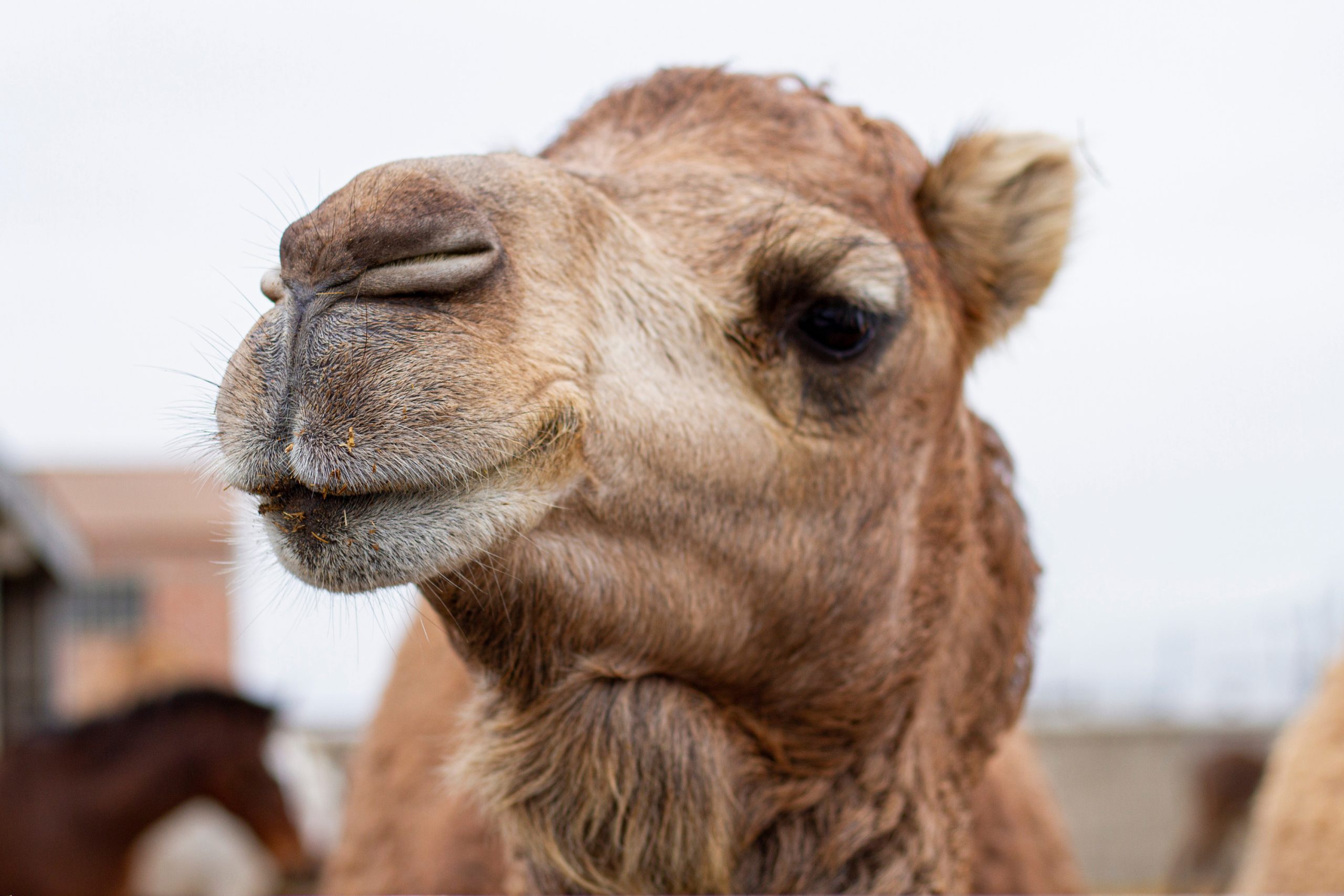
Camel breeding

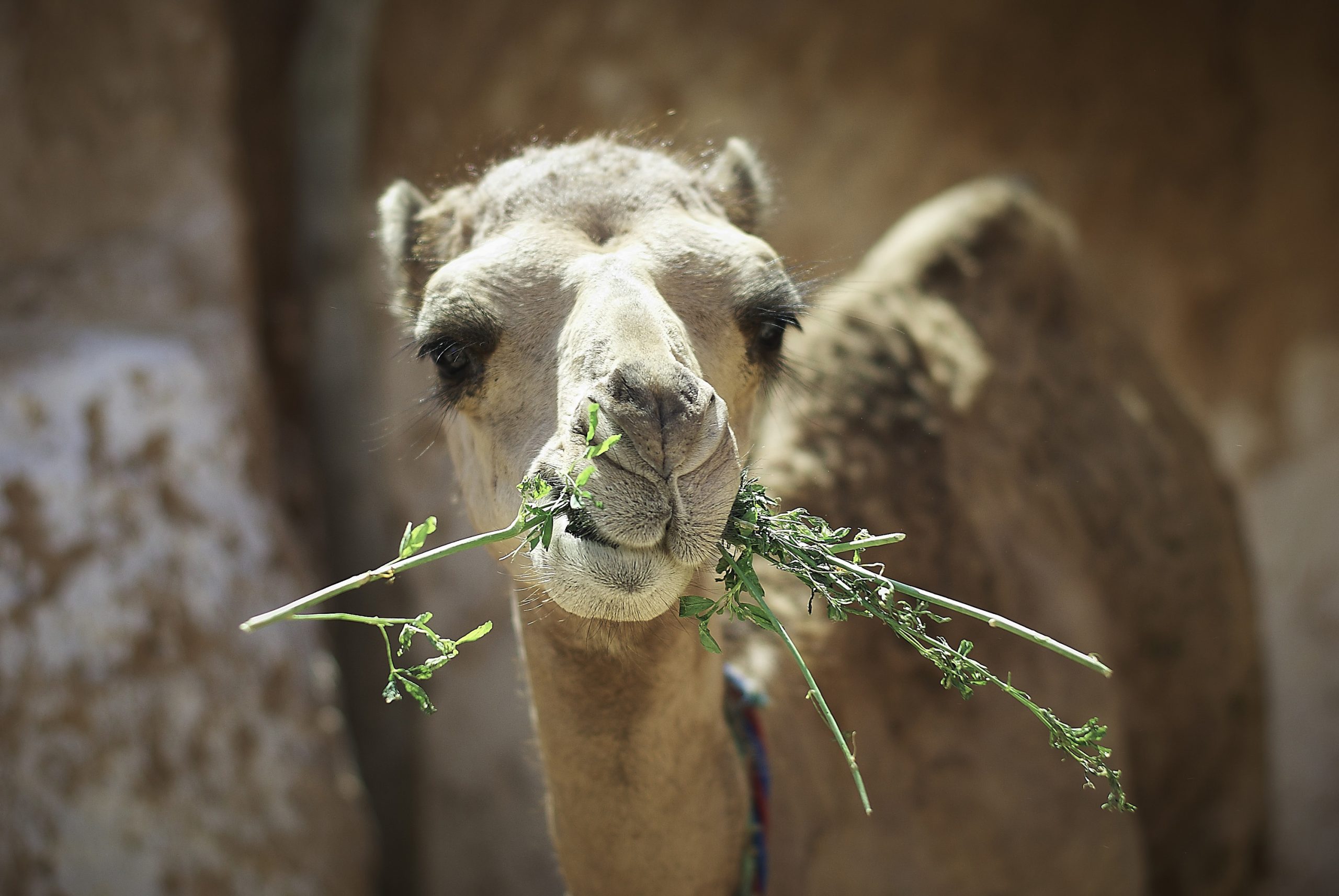
Camel breeding plays a major socio-economic role, with the dromedary occupying an important place in Saharan culture. Among the main local breeds are the Marmouri (dairy breed), the Khouari (meat breed) and the Kerzani (breed with low milk production, but high in protein).

sheep and goat breeding

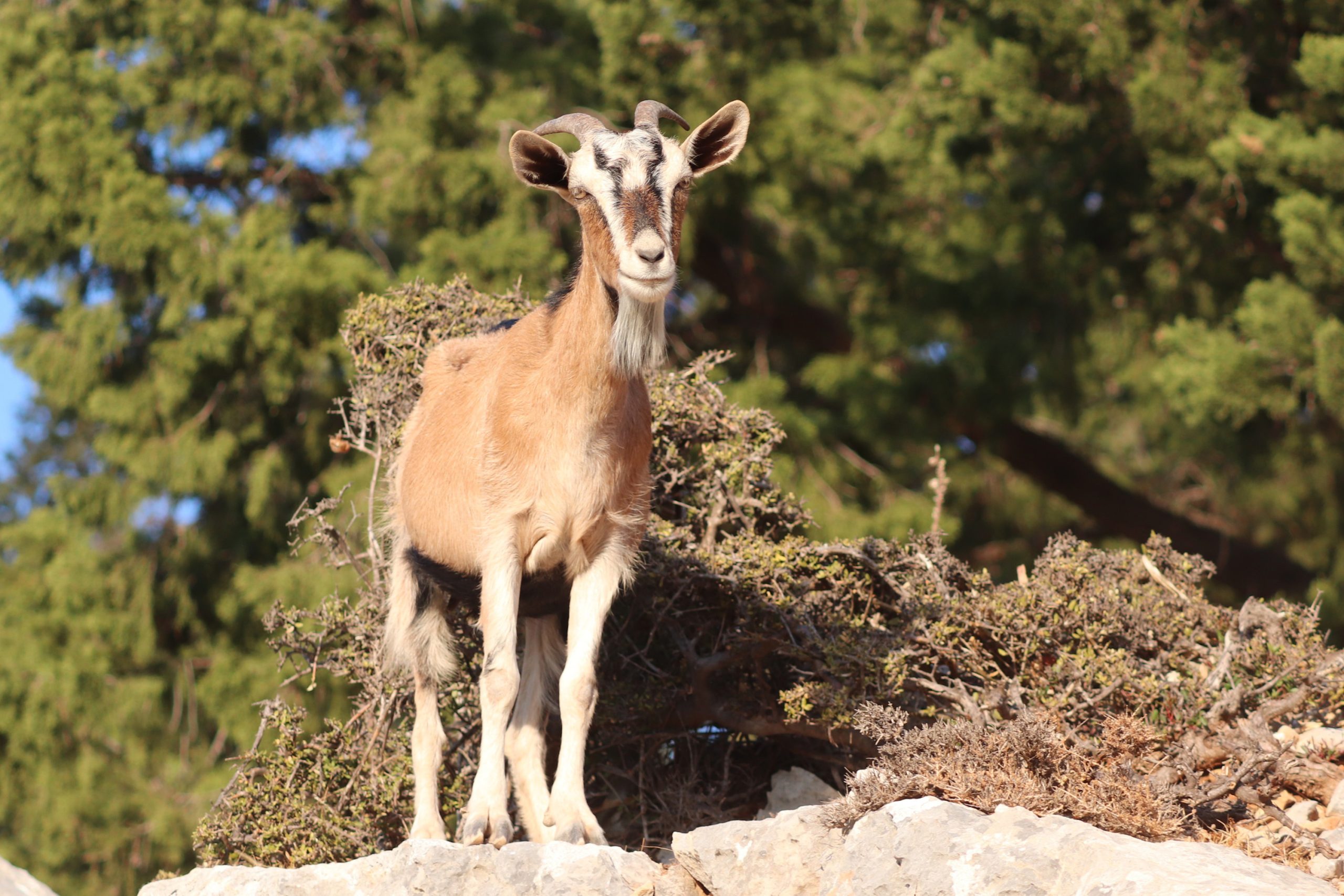
Herds of sheep and goats contribute significantly to the meat and dairy needs of the Guelmim-Oued Noun region. The livestock numbers approximately 240,000 heads of sheep and 172,000 heads of goats, mainly composed of local breeds adapted to the conditions of the region, such as the D’man breed.

honey production

Beekeeping in the Guelmim-Oued Noun region produces various types of honey thanks to the diversity of the local flora. The region is particularly known for its “little yellow bee”, adapted to the desert climate. The varieties of honey produced include daghmous, acacia, akkaya, thyme, and flower honey. The region has approximately 49,200 hives, with an annual production of 316 tons of honey.

Local products: a lever for development

The Guelmim-Oued Noun region is distinguished by the diversity and richness of its local products, reflecting traditional know-how passed down through the generations. Among these emblematic products, cactus and argan play a central role in the local economy, while dates and camel milk are strongly linked to Saharan heritage. Local products also include honey, quintuple couscous, as well as aromatic and medicinal plants, which are an integral part of the region’s identity and reflect the sustainable practices of local populations.

The main local products of the region

  • Dates
  • Honey
  • Cactus products
  • Argan products
  • Quintuple couscous
  • Camel milk cheeses
  • Aromatic and medicinal plants

MAJOR PROJECTS

  • Creation of two seawater desalination plants to irrigate an area of ​​8,000 hectares
  • Program for replanting cactus resistant to cochineal
  • Program for equipping farms with localized irrigation systems
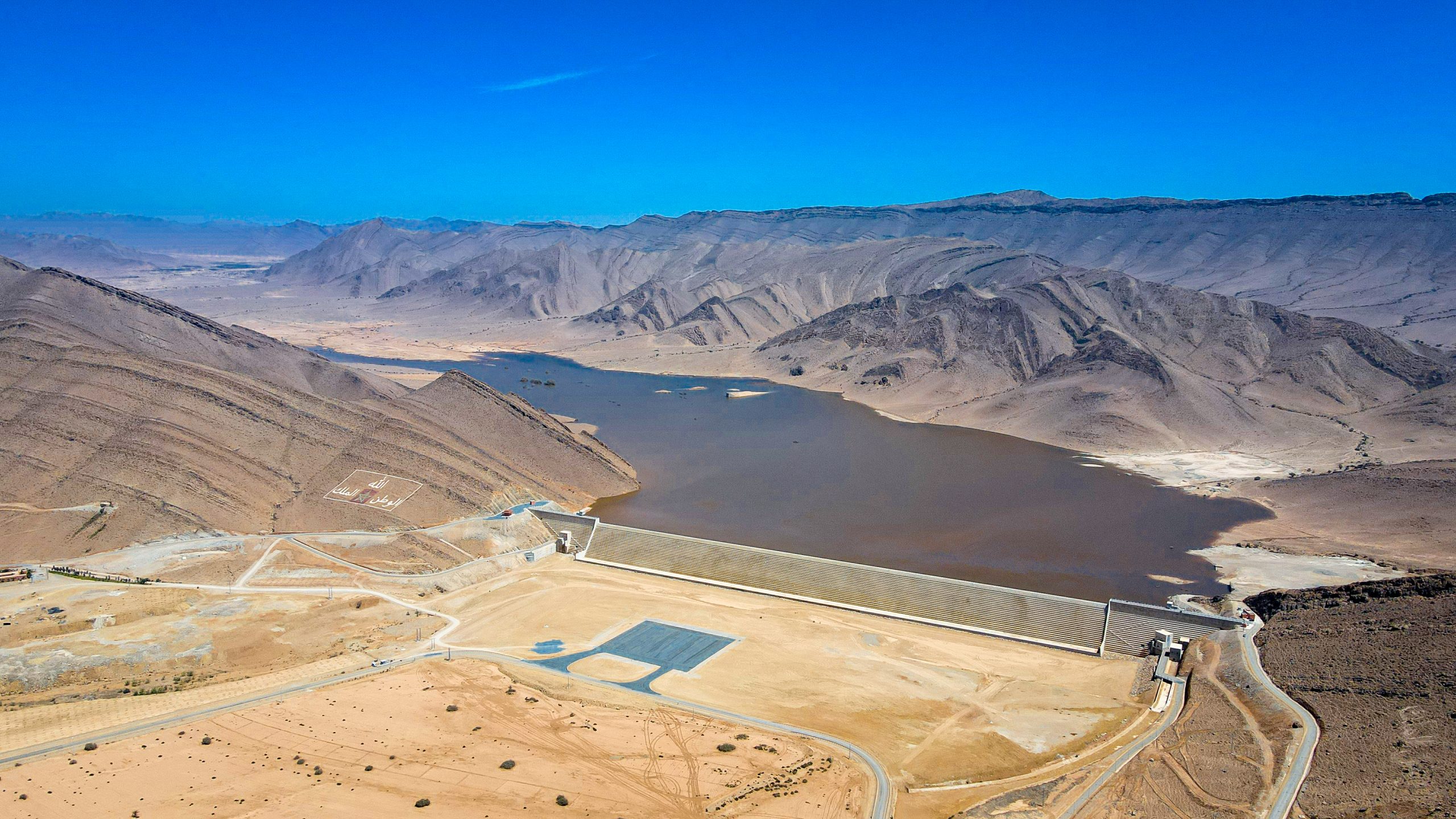
  • Valorization of bottled water from the Fask dam
  • Creation of farms for the production of fodder crops

The agricultural sector is one of the essential pillars of the Guelmim-Oued Noun region, with an arable area exceeding 191,000 hectares, 45% of which is devoted to growing cereals, taking advantage of the floods of local rivers. The region is distinguished by its vast pasture areas, extending over approximately 3.5 million hectares, which favors livestock breeding, with a herd of more than 350,000 heads of sheep and goats, as well as 45,000 camels.

Guelmim-Oued Noun is also home to date palm and olive tree oases covering an area of ​​2,500 hectares, as well as argan forests covering 127,000 hectares. This creates employment opportunities, particularly for women, in the valorization of argan products. Cactus is also a key crop in the region; although it has been affected by the cochineal, efforts are underway to replant 26,000 hectares with resistant varieties, thus ensuring the sustainability of this crop.

Thanks to the Green Morocco Plan, the region has seen notable development in the agricultural sector, with 5,300 hectares equipped with drip irrigation systems, thus promoting the production of vegetables and fruits.

In addition, private investments in the agricultural sector between 2008 and 2022 exceeded 642 million dirhams, highlighting the attractiveness and promising potential of the region.
Oasis of date palms and olive trees
0
Hectare
Argan trees
0
Hectare
Area equipped with drip irrigation
0
Hectare
Irrigated area
0
Hectare
Arable area
0
Hectare

Agricultural sector assets

  • A climate favorable to high value-added crops
  • Two water basins to support agricultural activities
  • Production of various crops such as olive, almond, vine, citrus, date palm, sugar beet and organic crops
  • A significant animal production of red meat, dairy products, poultry farming and beekeeping.
  • A developed agricultural service including the mechanization of agricultural work, manual work, forestry and oasis activities, pasture maintenance, as well as the grazing service.

The main production sectors in the region

Cereals

Cereal cultivation is a traditional practice in the region. It is mainly based on seasonal flooding of the wadis, which allow the irrigation of large areas of flood-prone land. The main cereals grown are: barley, soft wheat, durum wheat, and corn.

Date palms

The area dedicated to date cultivation in the region exceeds 2,300 hectares, with an estimated annual production of 2,380 tons of various varieties adapted to the regional climate. The main oases are located in the provinces of Guelmim and Assa-Zag. Among the varieties of dates cultivated in the region are Boufeggous, Bousskri, Mejhoul, Jihel, Najda, and Khalt.

Argan

The argan tree plays a key role in preserving biodiversity while providing economic and social opportunities to rural populations. The argan forest covers more than 127,000 hectares, with an annual production of approximately 649 tons of argan oil.

Cactus

The cactus is an ancestral plant widely distributed in the region, particularly in the provinces of Guelmim, Sidi Ifni, Assa-Zag, and Tan-Tan. A program to replant cactus resistant to cochineal has been implemented over an area of ​​26,000 hectares. The cactus harvest period extends from June to December, which generates economic activity in the areas where it is cultivated.

Olivier

Olive cultivation extends mainly to the north of the region, in the provinces of Guelmim and Sidi Ifni, over an area of ​​approximately 2,570 hectares, with an annual production of more than 2,620 tons. The majority of olive groves are located in the communes of Abaynou, Tagant, Bouizakarne, Ifrane Atlas Saghir, and Timoulay in Guelmim, as well as in Boutroch and Ibdar in the province of Sidi Ifni.

Vegetables and fruits

In recent years, the region has seen the creation of many modern farms covering more than 3,000 hectares, equipped with drip irrigation systems, allowing the production of a variety of vegetables and fruits. Annual production reaches approximately 119,000 tons, mainly concentrated in the province of Guelmim. Part of this production is intended for the local market, while high-value products, such as cherry tomatoes and watermelons, are exported.

Medicinal and aromatic plants

The plants have long been used by local populations for medicinal purposes and for making perfumes. Desert areas continue to benefit from these plants, in particular thanks to the skills passed down through the generations, especially among Saharan women. Among the most common plants are acacia (talh), which covers 91% of the regional forests, with approximately 470,000 hectares, as well as henna (251 hectares), thyme, wormwood (shiha) and akkaya.

Camel breeding

Camel breeding plays a major socio-economic role, with the dromedary occupying an important place in Saharan culture. Among the main local breeds are the Marmouri (dairy breed), the Khouari (meat breed) and the Kerzani (breed with low milk production, but high in protein).

sheep and goat breeding

Herds of sheep and goats contribute significantly to the meat and dairy needs of the Guelmim-Oued Noun region. The livestock numbers approximately 240,000 heads of sheep and 172,000 heads of goats, mainly composed of local breeds adapted to the conditions of the region, such as the D’man breed.

honey production

Beekeeping in the Guelmim-Oued Noun region produces various types of honey thanks to the diversity of the local flora. The region is particularly known for its “little yellow bee”, adapted to the desert climate. The varieties of honey produced include daghmous, acacia, akkaya, thyme, and flower honey. The region has approximately 49,200 hives, with an annual production of 316 tons of honey.

Local products: a lever for development

The Guelmim-Oued Noun region is distinguished by the diversity and richness of its local products, reflecting traditional know-how passed down through the generations. Among these emblematic products, cactus and argan play a central role in the local economy, while dates and camel milk are strongly linked to Saharan heritage. Local products also include honey, quintuple couscous, as well as aromatic and medicinal plants, which are an integral part of the region’s identity and reflect the sustainable practices of local populations.

The main local products of the region

  • Dates
  • Honey
  • Cactus products
  • Argan products
  • Quintuple couscous
  • Camel milk cheeses
  • Aromatic and medicinal plants

MAJOR PROJECTS

  • Creation of two seawater desalination plants to irrigate an area of ​​8,000 hectares
  • Program for replanting cactus resistant to cochineal
  • Program for equipping farms with localized irrigation systems
  • Valorization of bottled water from the Fask dam
  • Creation of farms for the production of fodder crops